
洞见机遇
赢领未来
DEMO SAMPLE - Ecommerce Subsidies | Moncler Genius | Influence Driven Retail
Jump to section
Next up
January editionChina Macro: Economy, Government, Society
宏
Overview of any government movements affecting end consumers and brands.
Double 11 Revolution: Government Subsidies Ignite Ecommerce Surge
Much has been written about the Chinese consumer stimulus package introduced by the Beijing government in October and many eyes are keen to see how this plays out in terms of consumer behaviour.
An example of government subsidies on Double 11
Below we go beyond the topline numbers and show the stimulus in action first-hand:
-
Since 2009, China has subsidised consumers trading in old automobiles and home appliances to stimulate upgrades, expand consumer demand and promote energy conservation.
-
This year, for the first time, these subsidies extend online, with a government-backed discount of up to RMB 2,000 ($277.64) per item available on electronics and home appliances purchased, on top of Double 11 discounts. Unlike offline trade-ins, consumers can buy new products directly without trading in old ones.
-
After real-name verification (already completed for most Tmall or Alipay users), consumers simply access the government subsidy page, claim coupons, select their products and the discounts are applied at checkout.
-
As of 30 October, Double 11 sales across platforms reached RMB 845 billion, with home appliances leading at RMB 132.4 billion.
Hot Pot Takeaway:
China’s government is making a strategic shift in its economic approach, applying subsidies and consumer incentives to online channels for the first time. Historically, subsidies were reserved for offline consumption, but this new move signals a strong commitment to ecommerce as a core driver of economic growth.
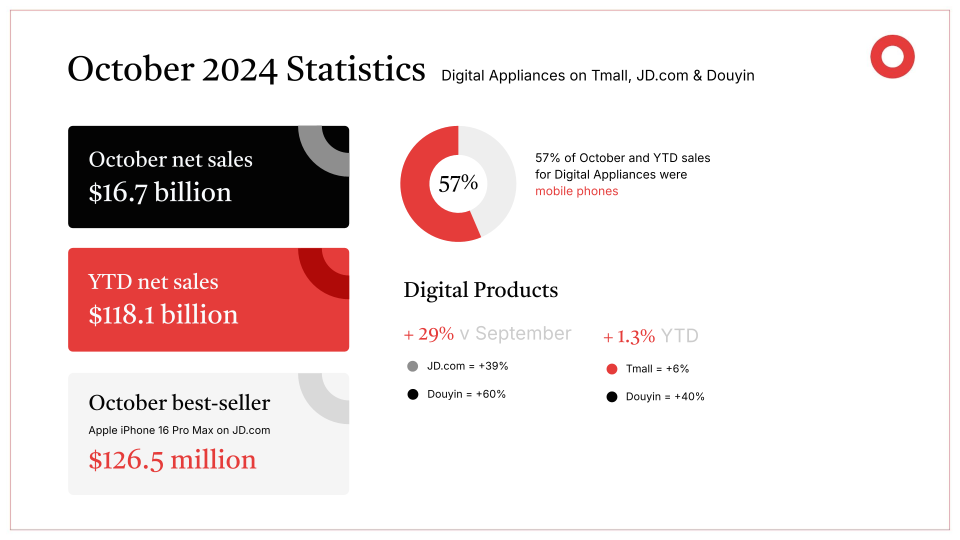
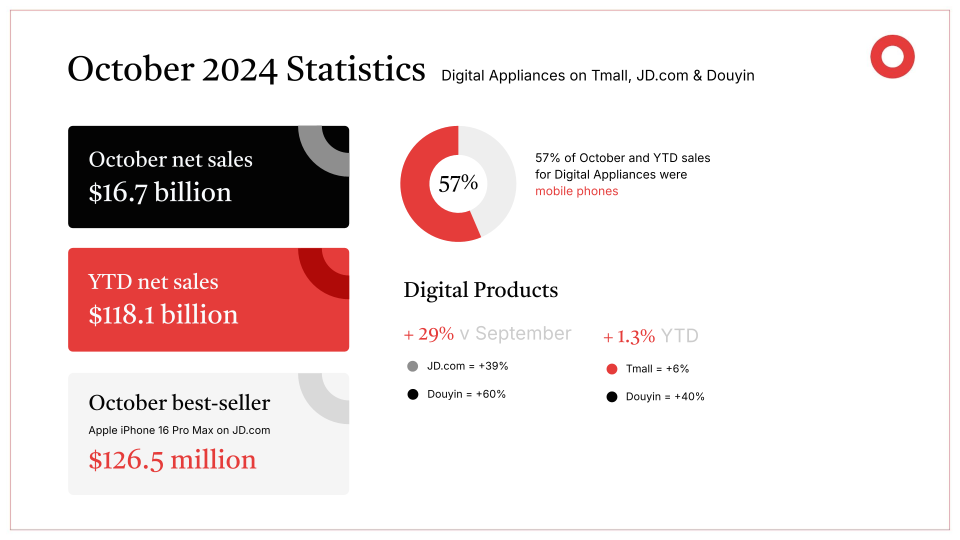
The current focus is on digital appliances, the largest category across platforms like Tmall, JD.com and Douyin. This is significant not only for brands like Apple—especially after underwhelming iPhone sales—but also for the broader market.
These policies could have substantial ripple effects across both consumer demand and manufacturing and potentially expand to other categories, creating new opportunities for brands across sectors.
At Hot Pot China, we emphasise the importance of tracking government policy shifts as a crucial element of market planning. This latest development highlights just how essential it is for brands to anticipate regulatory trends and adapt their strategies accordingly.
Those who stay ahead of these shifts will be best positioned for long-term success in China’s evolving market.
China’s Latest Attempt To Boost Birth Rates Faces Public Pushback
On 28 October, China introduced policies aimed at tackling its declining birth rate by offering parental subsidies, educational support and housing funds for families with newborns.
The announcement quickly dominated social media searches, but public reaction has been lukewarm. One widely shared comment on Weibo reflects the sentiment: “Is the subsidy the key? Can the subsidies compensate for the prejudice women suffer during pregnancy, the pain they endure during childbirth and the hard work of caring for a child?”
Trend Tracker: Consumer & Social Insights
潮
An in-depth look at the latest consumption trends, social media movements and cultural shifts in China.
Young Chinese Professionals Invest Their Free Time In Taking Classes
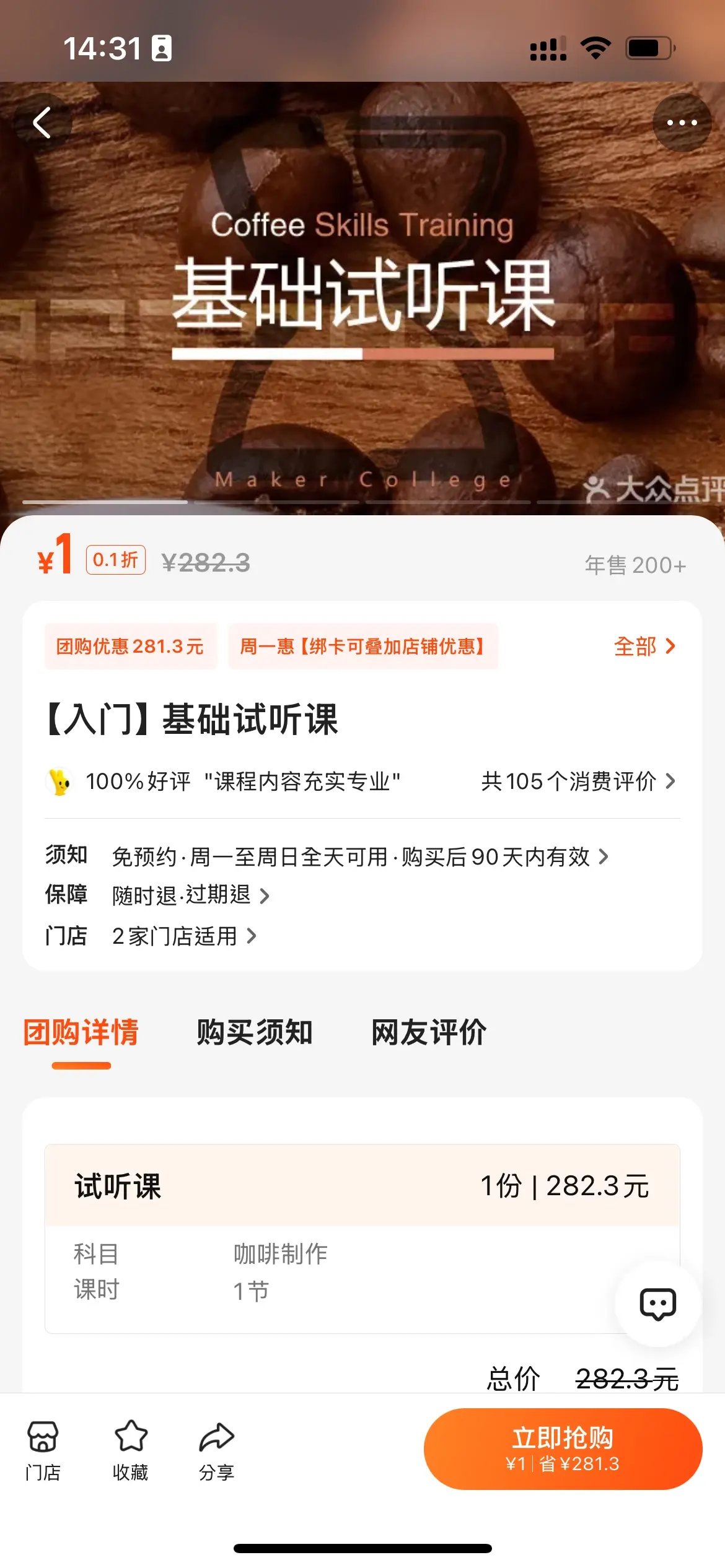
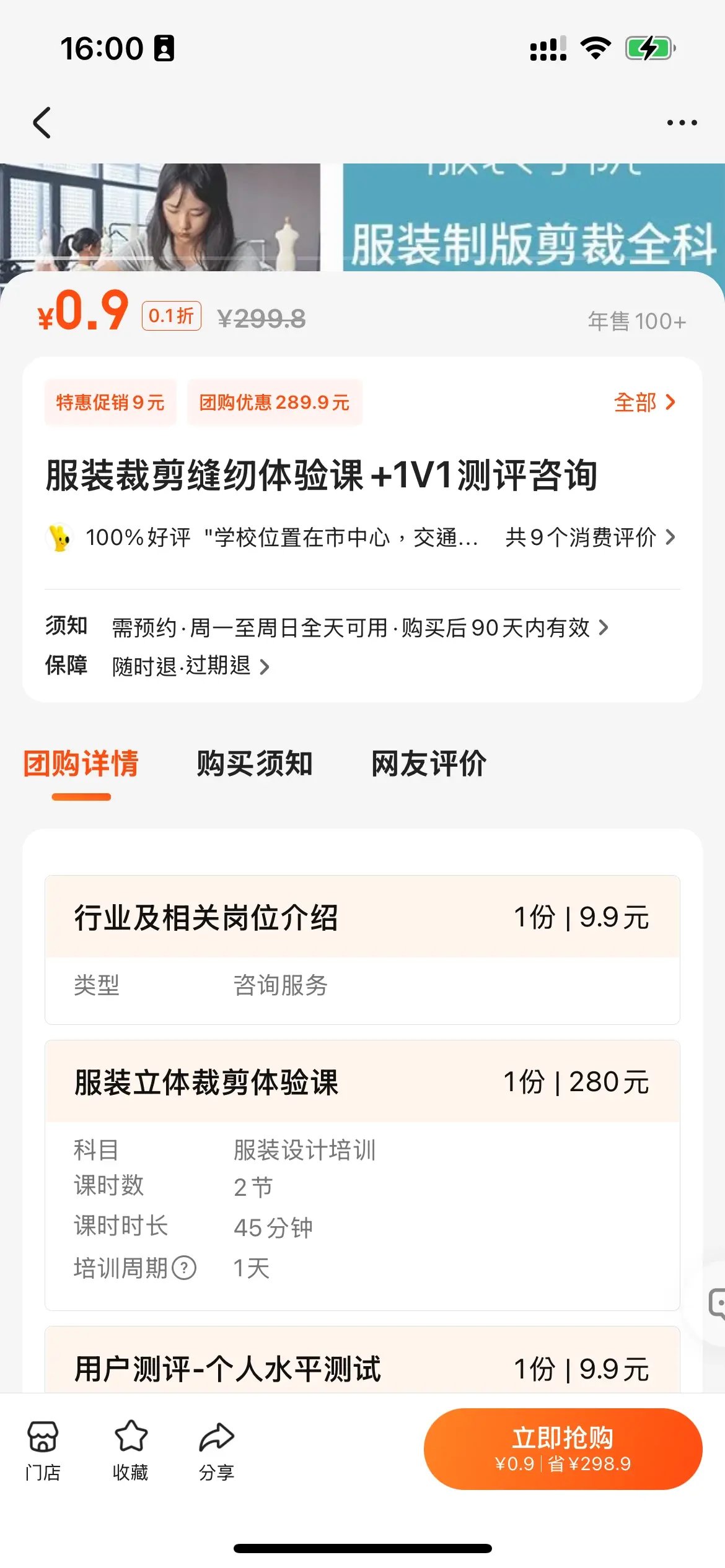
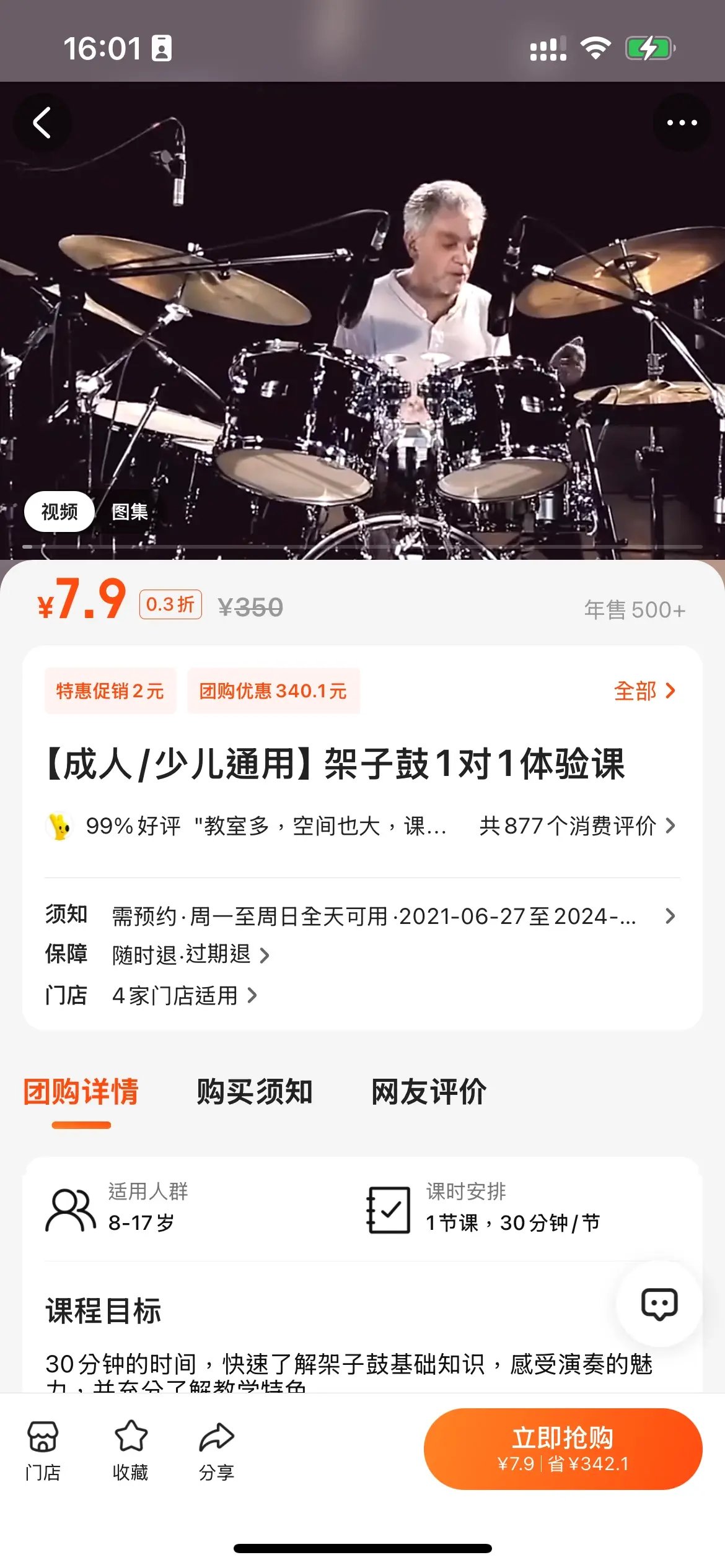
Young professionals are increasingly drawn to low-cost trial classes—ranging from fitness to floral art—often priced as low as RMB 9.9.
Sports and fitness sessions are particularly popular, converting trial users into loyal customers or top reviewers on platforms like Meituan and Dianping.
For merchants, these trial classes provide a cost-effective way to climb the algorithm, as platforms prioritise shops with higher reviews and diverse activities, pushing them to prime visibility without needing to pay for platform promotions.
Hot Pot Takeaway
In the past five years, there has been a shift from purchasing luxury products to seeking experiences. Post-Covid, holistic self-improvement has become a key trend, with “life as the new luxury” reflected in growing interest in health, fitness, education and learning.
Brands are tapping into this trend by creating engaging community-driven experiences.
Running brands like On and Hoka One organise community runs, while outdoor brand Arc'teryx has hosted art classes in-store, fostering deeper consumer connections.
These activations help brands embed themselves into consumers’ lives, making their experiences just as valuable—if not more so—than their products.
Influencers Are Becoming The Face Of Retail For A Day
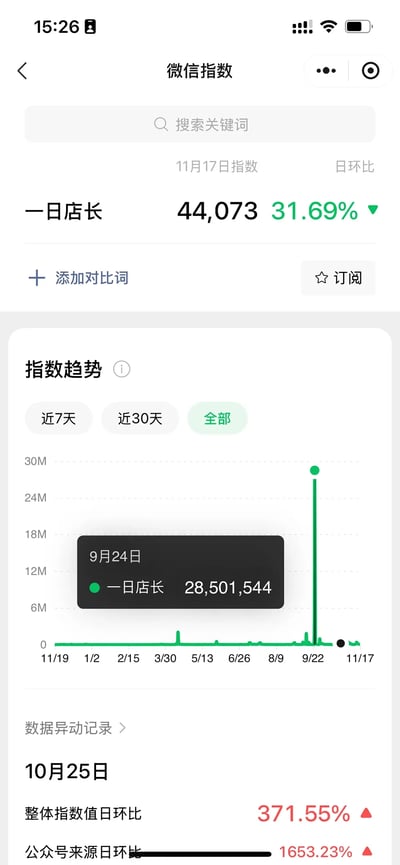
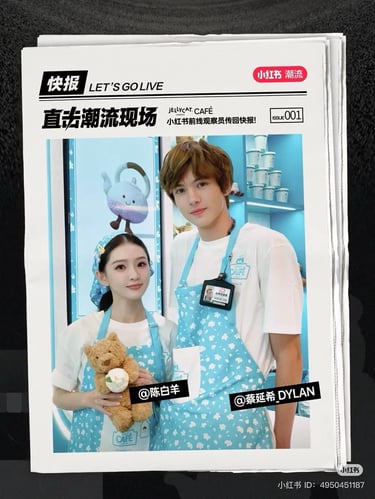
A growing marketing tactic, adopted by brands like Jellycat’s Shanghai pop-up, involves employing known influencers as temporary staff to attract followers, encourage visits and amplify brand exposure.
During Jellycat’s pop-up, the ‘one-day staff’ concept sparked over 28 million searches on WeChat in a single day (see graph below), showcasing its strong impact on social engagement and brand visibility.
New Global Entrants
新
Highlighting exciting global brands and concepts that have entered/innovated and are making waves in the industry.
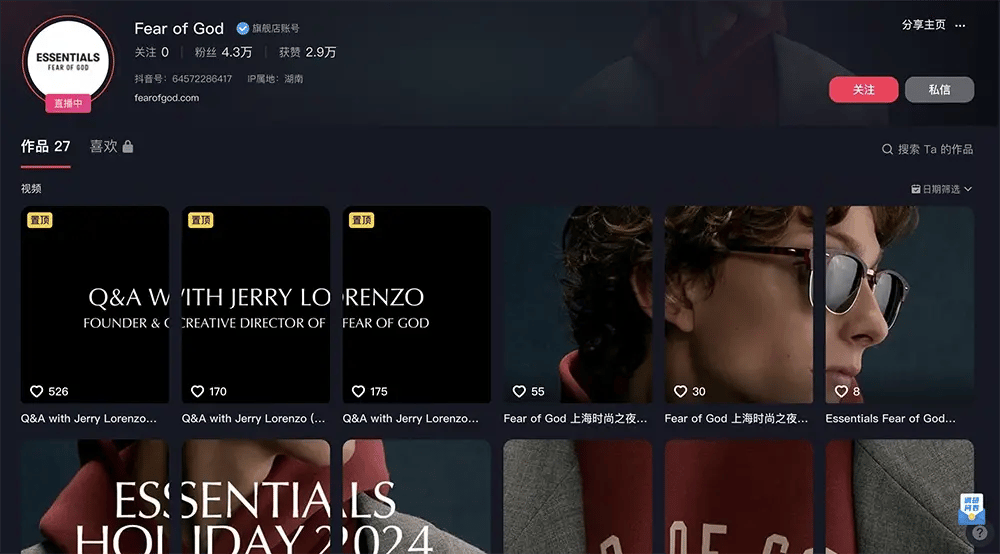
Essentials Fear Of God Taps Into Douyin’s Ecommerce Wave For China Debut
On 23 October, LA-based fashion brand Essentials Fear of God launched on China’s TikTok, Douyin, marking its first official retail channel in China and debuting a new collection ahead of other global markets.
Founder Jerry Lorenzo emphasises the importance of direct engagement in markets with high interest—especially where unofficial and second-hand channels are prevalent.
He notes that it took the brand a while to enter because of a need to understand the complexity of the domestic market.
The choice of entering Douyin aligns with a trend observed by the Hot Pot team: Douyin has emerged as a significant force in ecommerce, challenging established platforms like Tmall.
Douyin’s ability to foster communities through short-form videos, live streaming, influencer marketing and interactive user-generated content (UGC) has revolutionised brand strategies in China. More than just a social platform, it excels at converting viewers into buyers through tight-knit community engagement.
Essentials Fear of God has further leveraged this by launching live streams on Douyin, using the platform’s strengths to drive purchases.
Additionally, the rise of streetwear in China and a growing preference for understated, durable designs over flashy patterns make this an ideal moment for the brand’s entry.
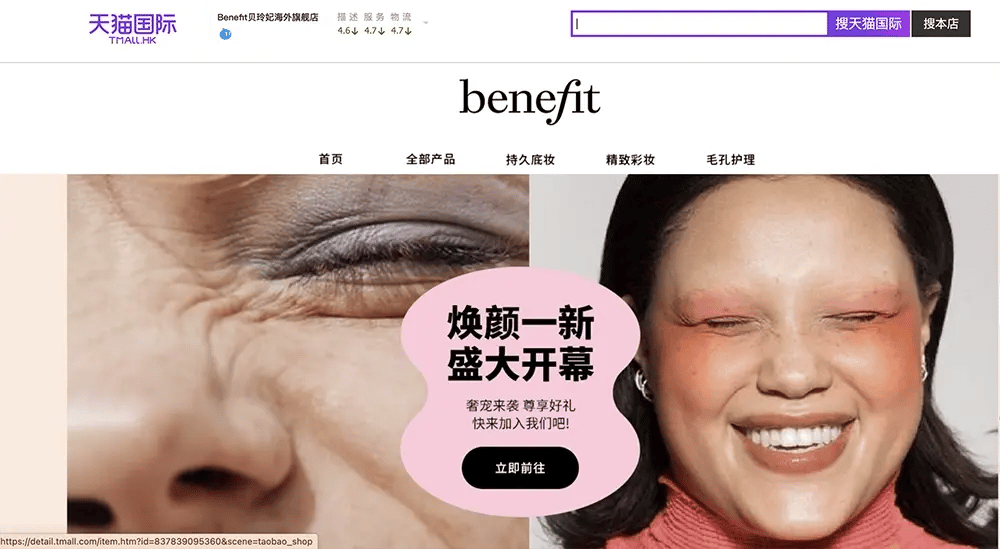
Benefit Cosmetics Returns To China On Tmall
On 28 October, Benefit Cosmetics announced its re-entry into China through Tmall, having first entered the market in 2007 and later exited earlier this year.
The brand aims to tap into China’s beauty market without the high overhead of physical stores, adapting to the increasingly digital retail landscape.
Many brands fail in the market not due to a lack of demand but because of poor channel choices or wrong partners. A relaunch can be a bold step toward eventual success if brands, like Benefit, take the time to re-evaluate their brand, channel and partner strategies.
With a focus on future-proofing, this approach sets the foundation for long-term growth.
Global Game-Changers: Innovative Products & Marketing Campaigns
创
Exploring groundbreaking marketing strategies from global brands that capture consumer attention and drive industry trends.
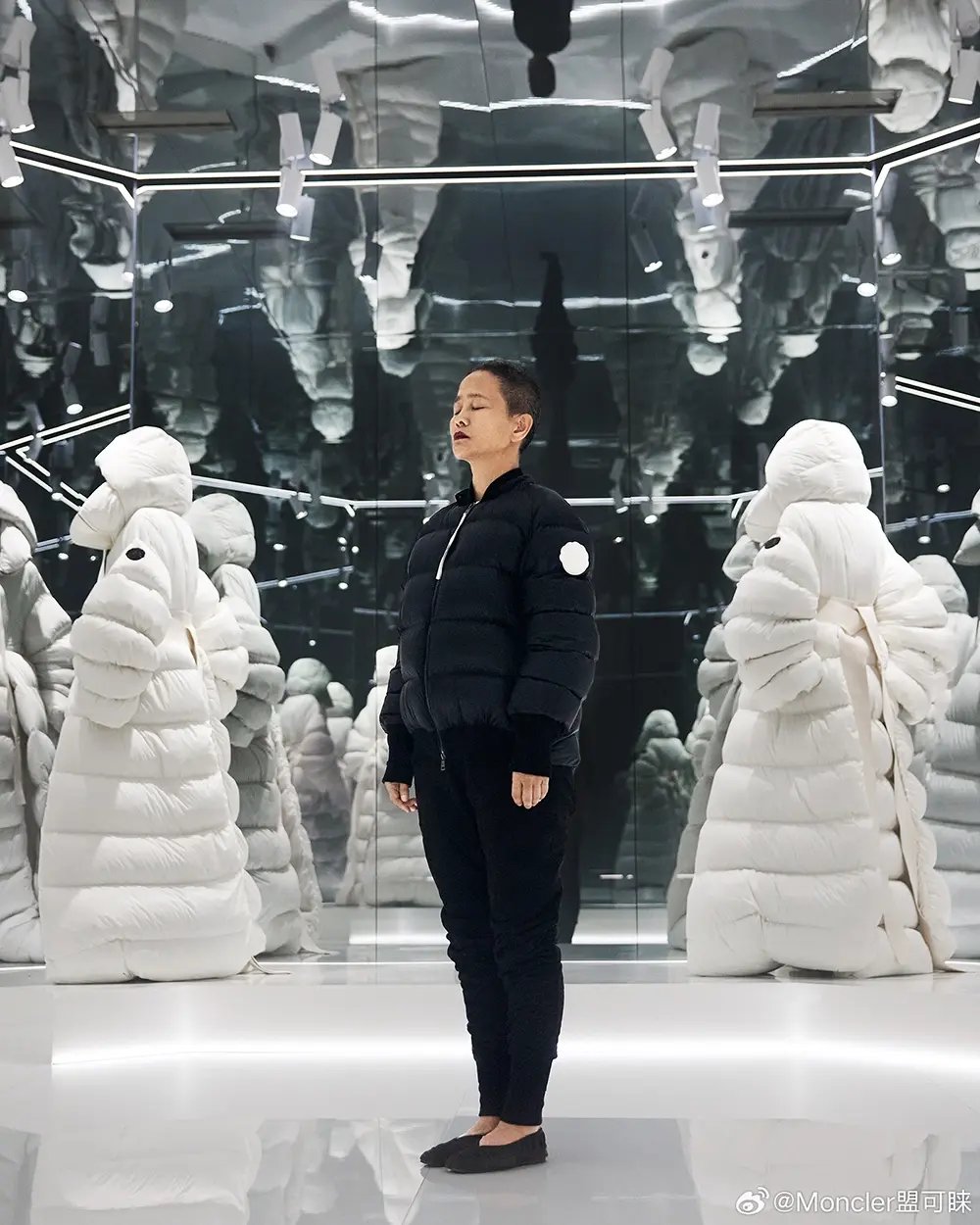
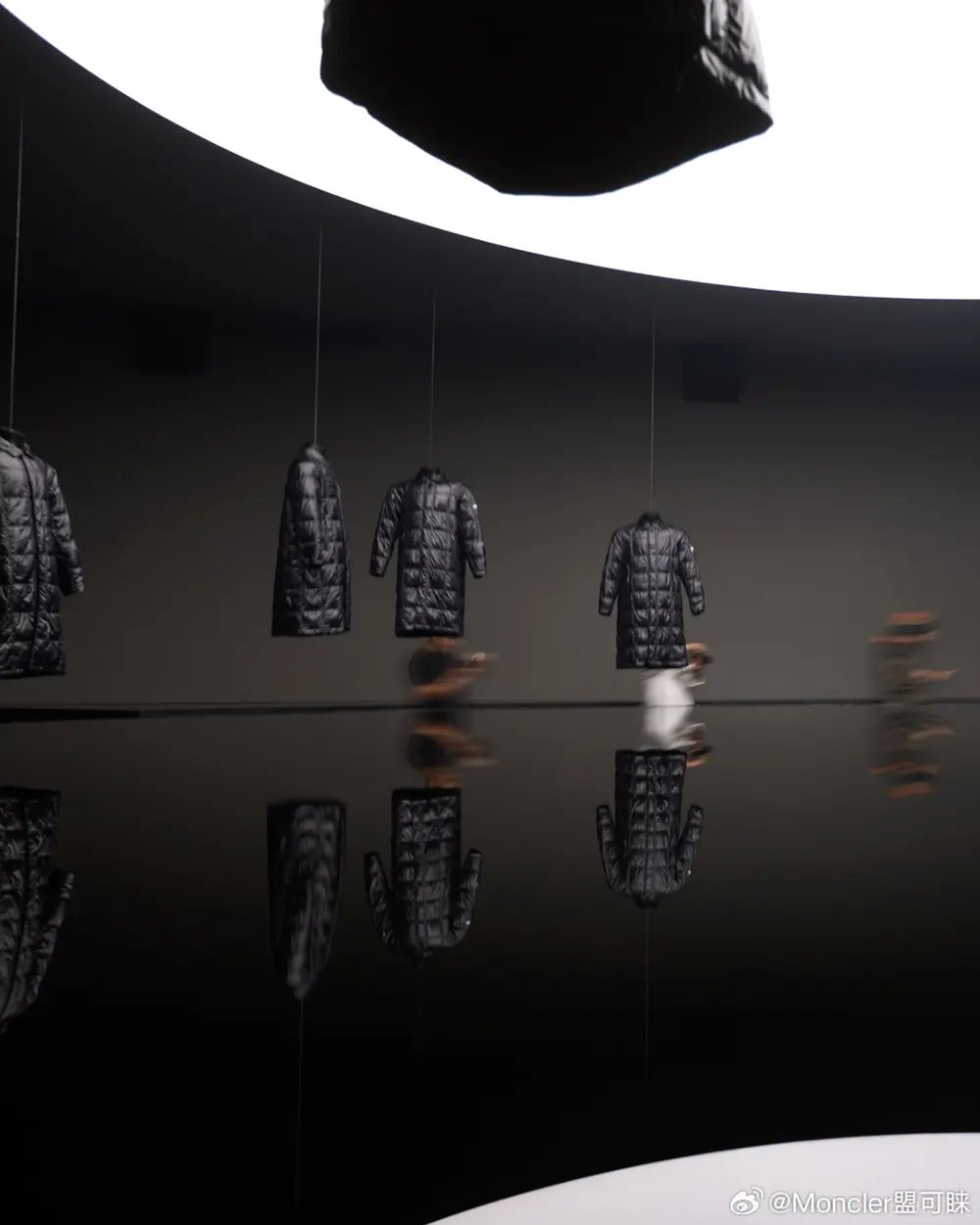
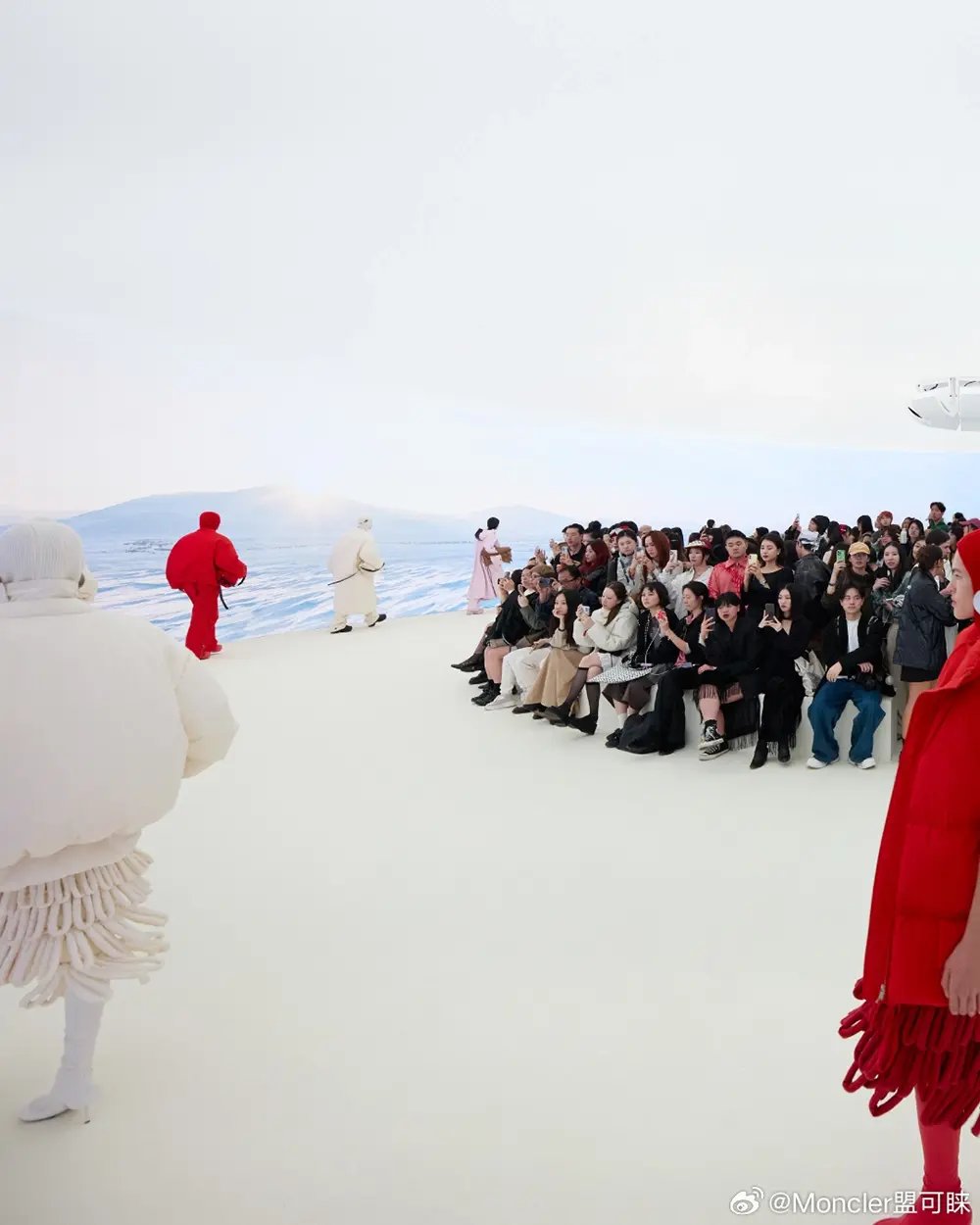
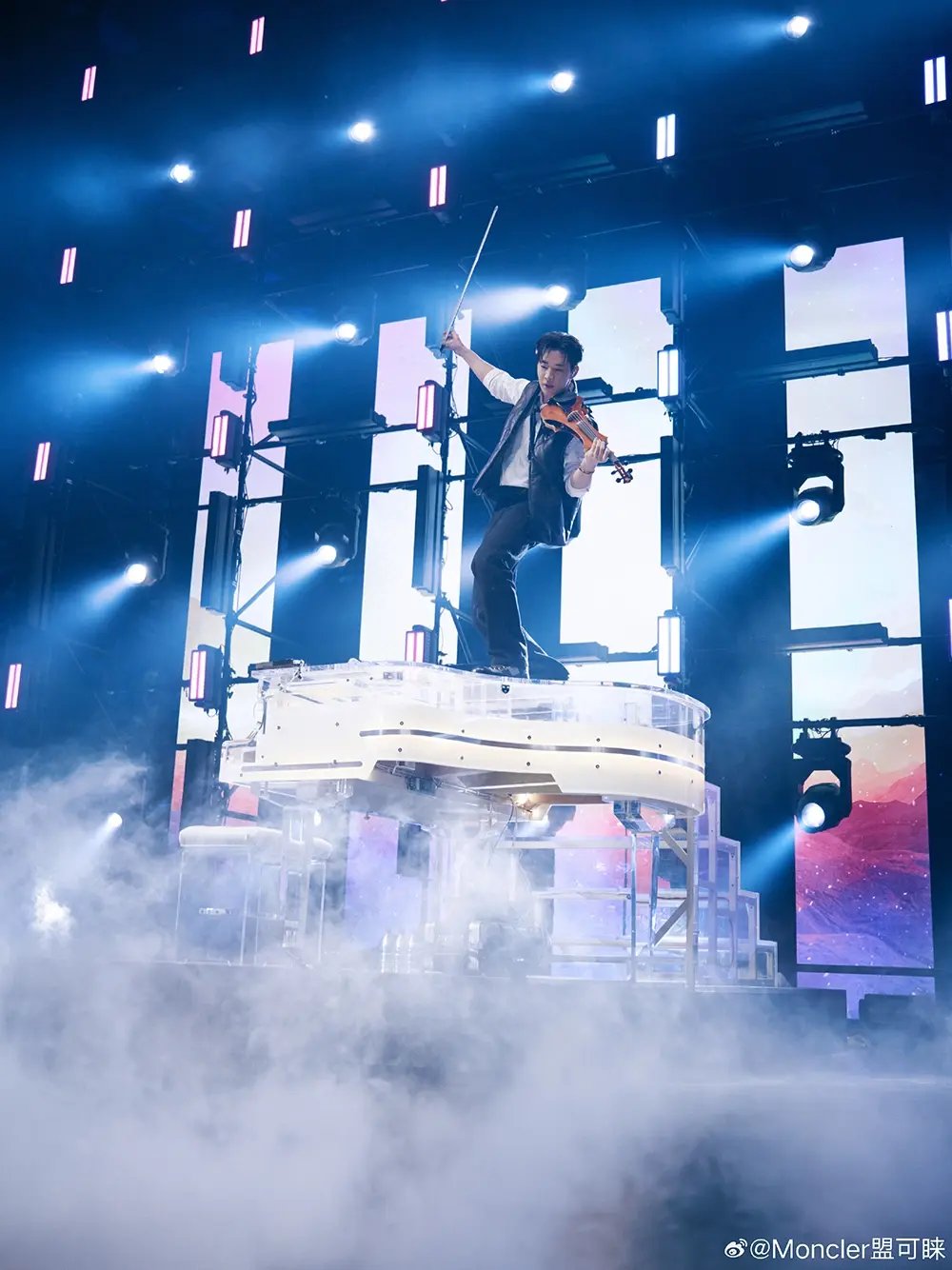
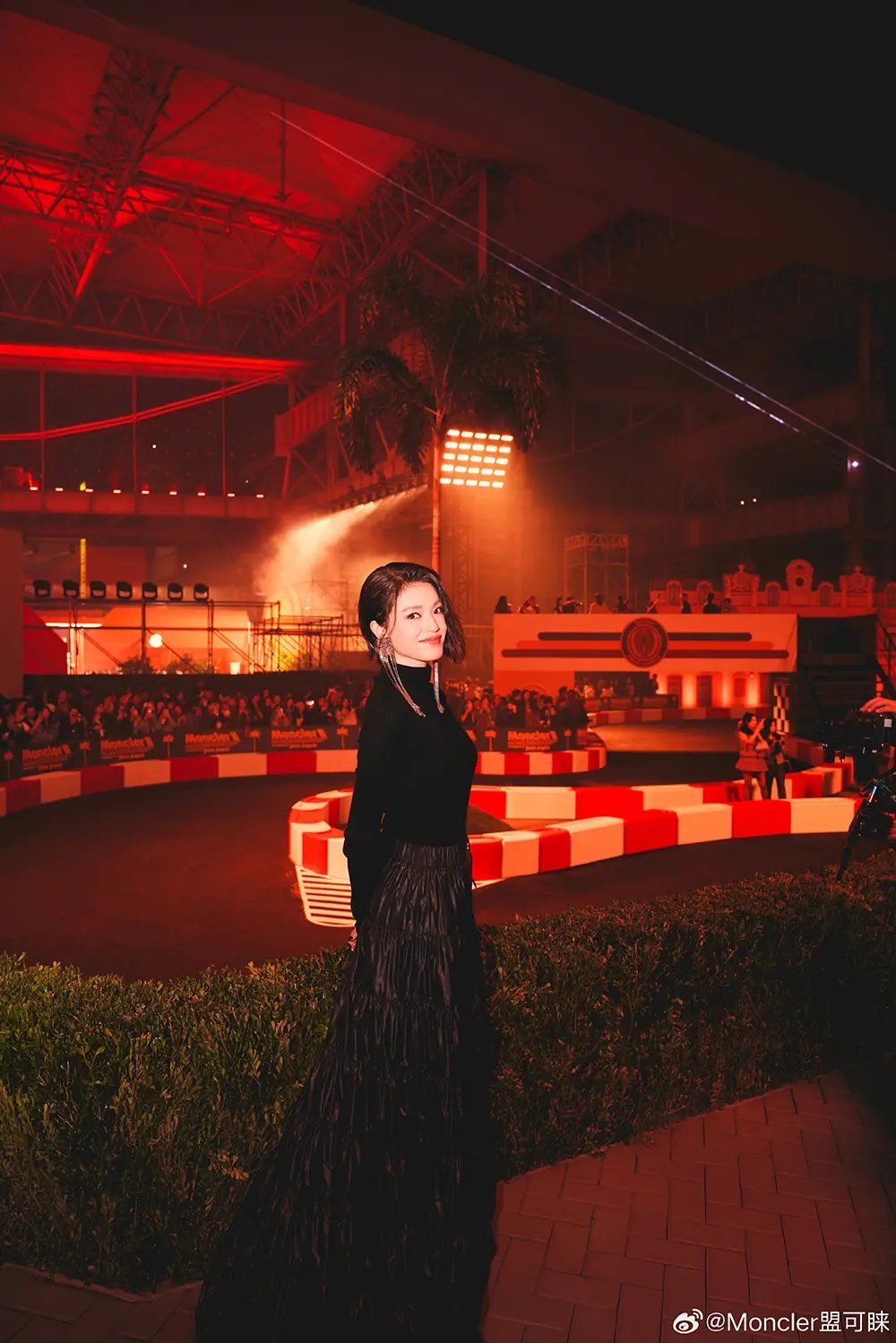
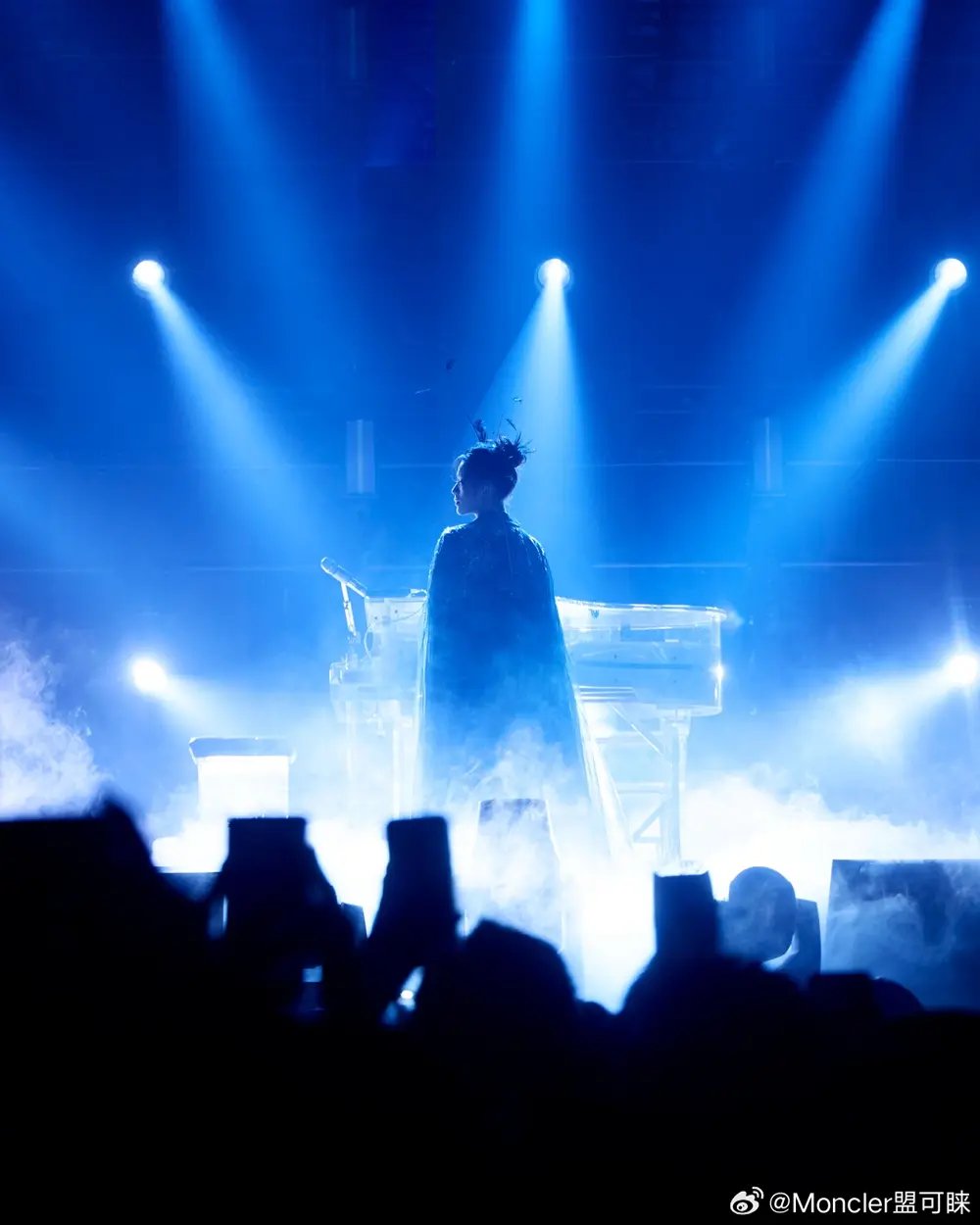
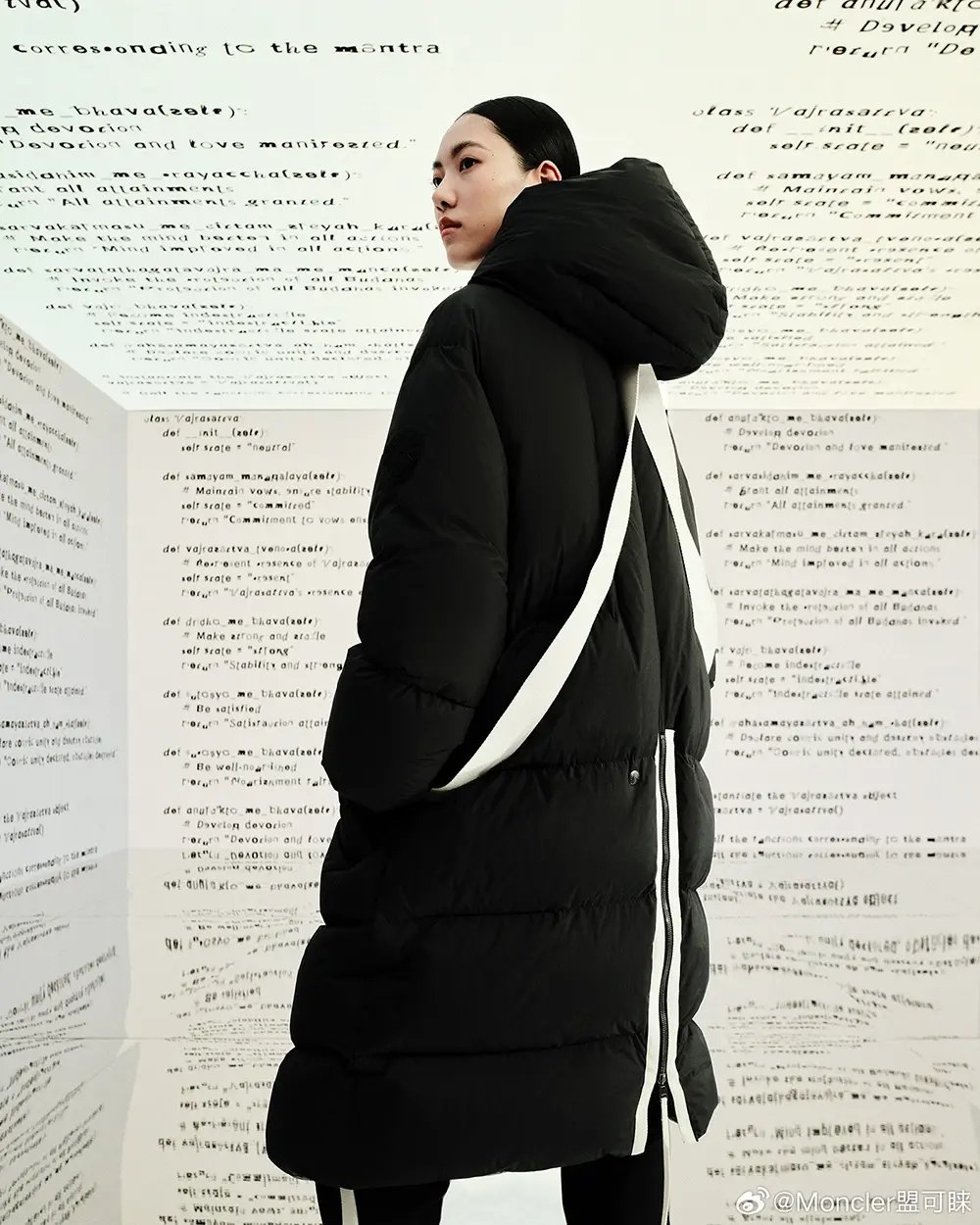
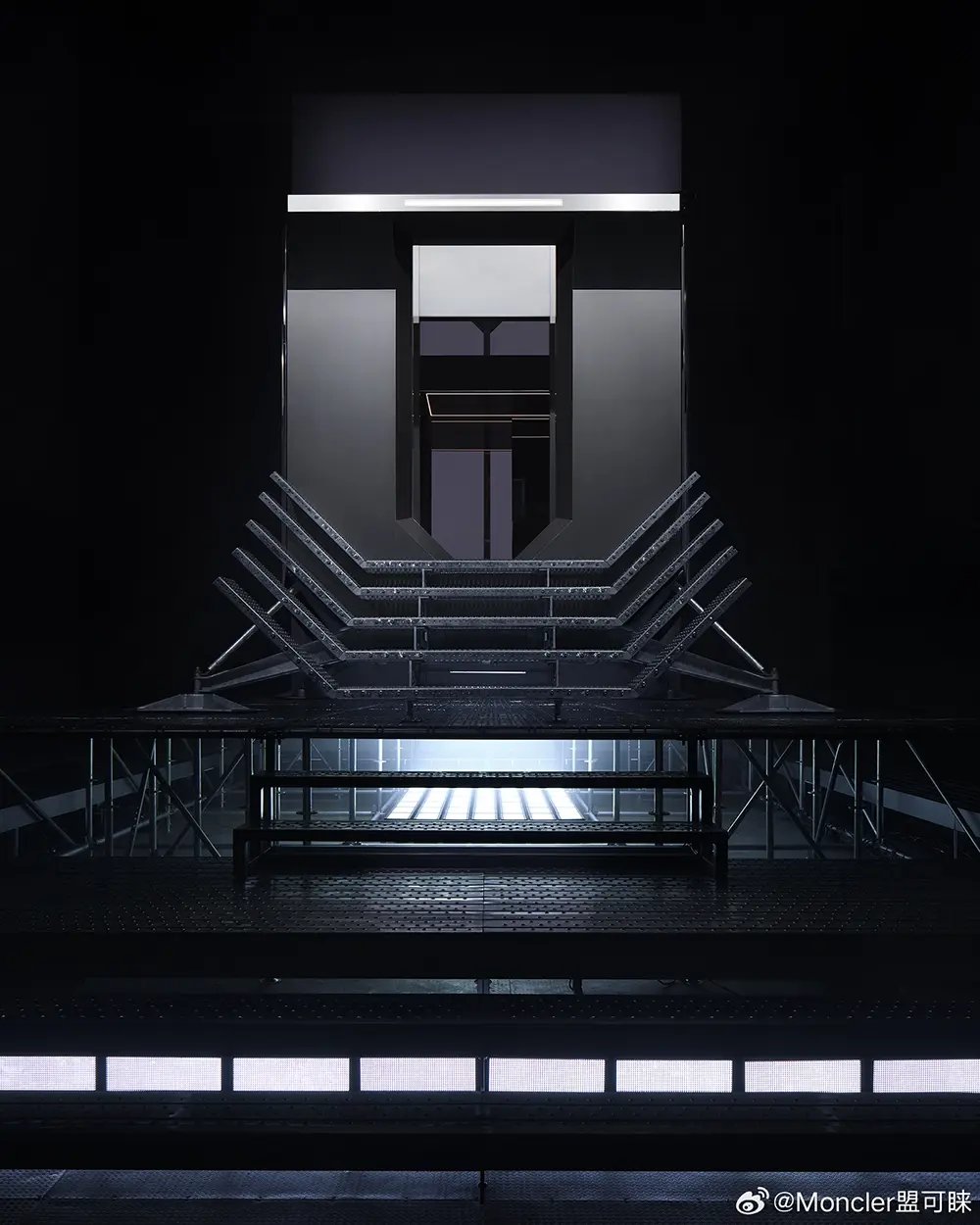
How Moncler Genius Bridged Global Design With Local Appeal In Shanghai
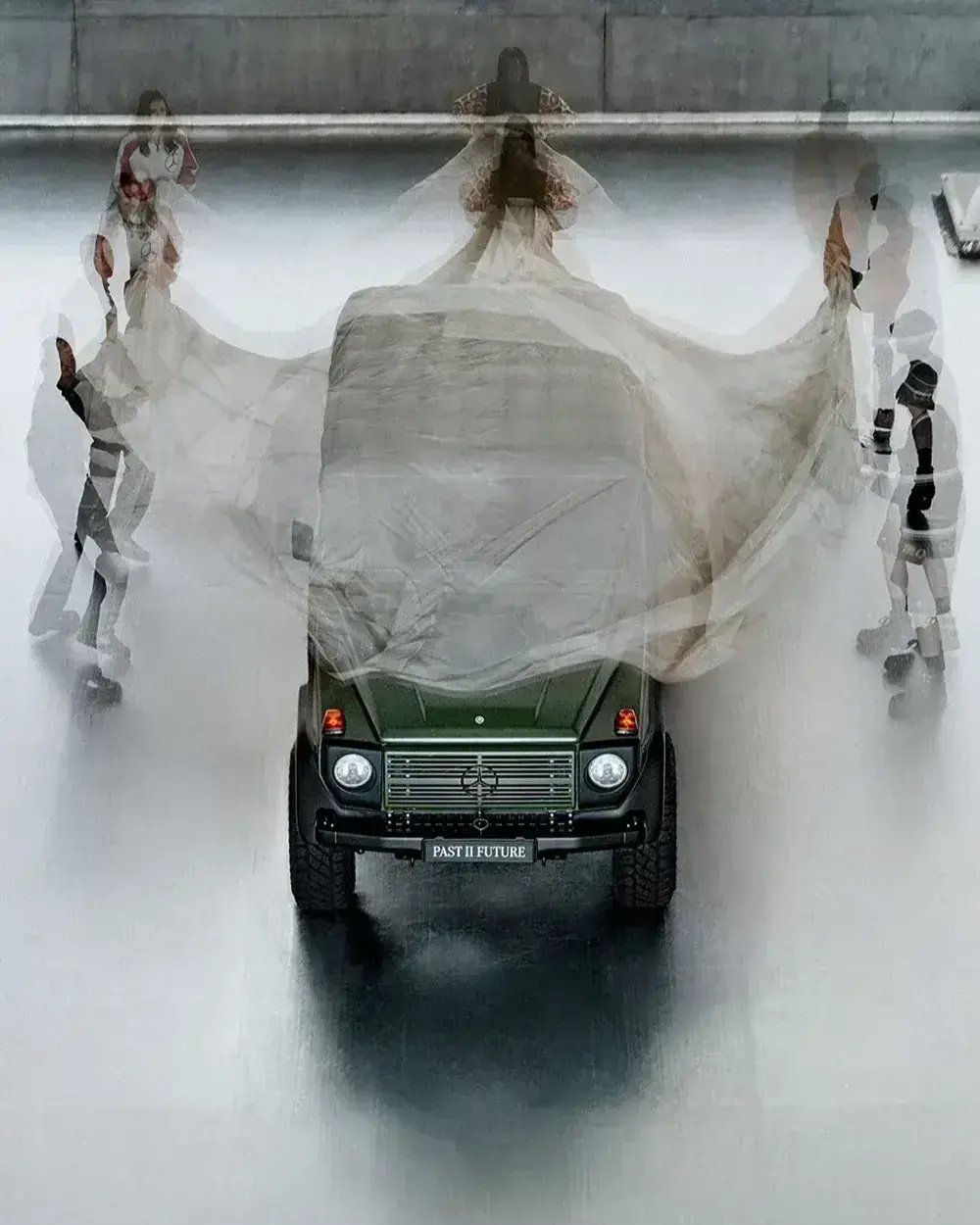
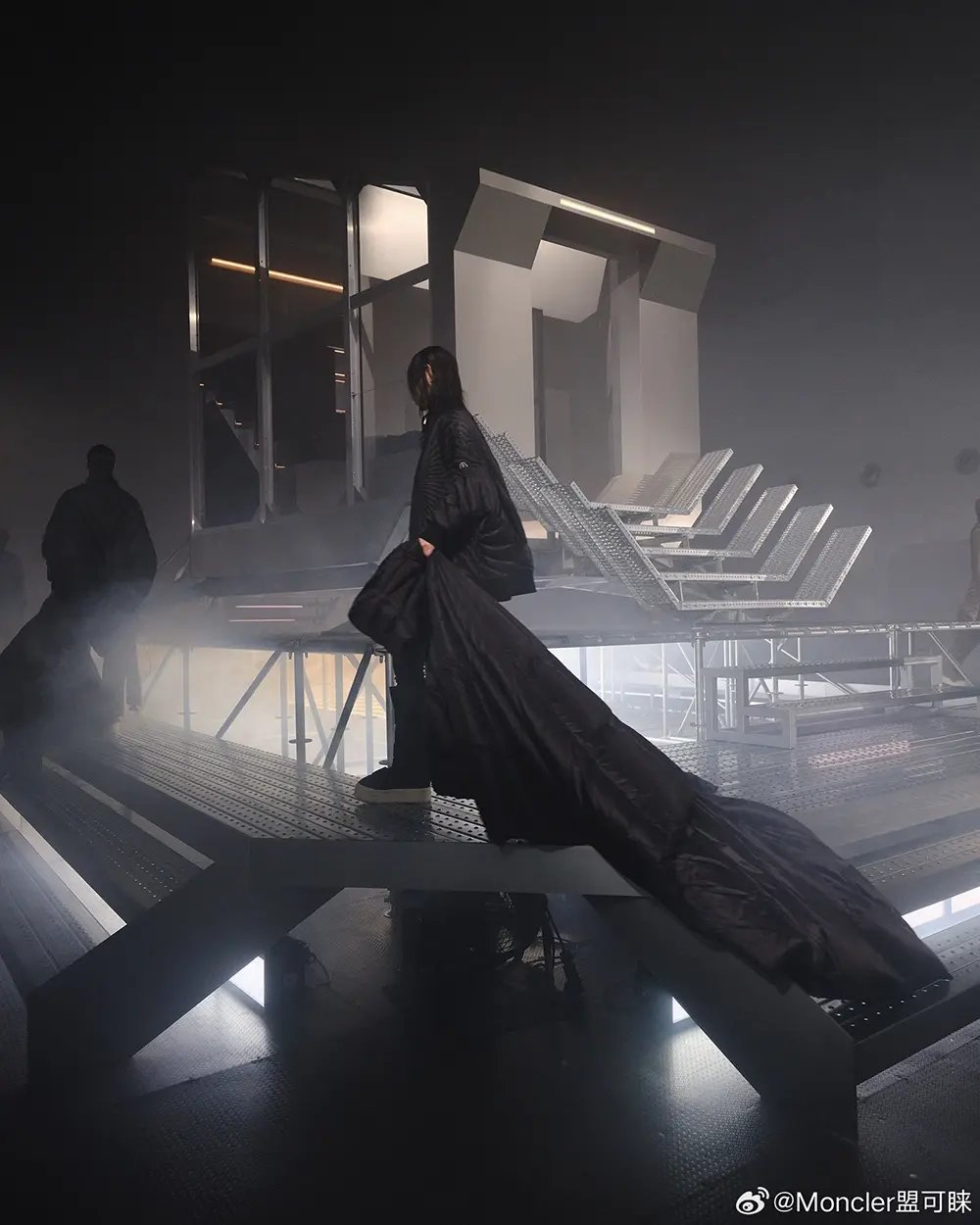
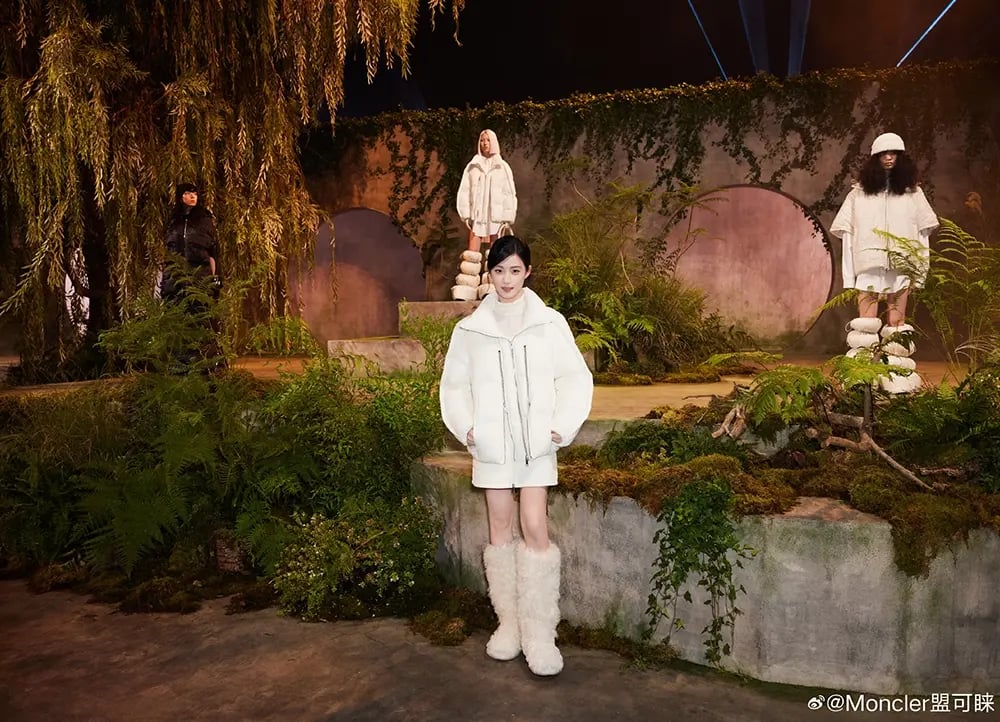
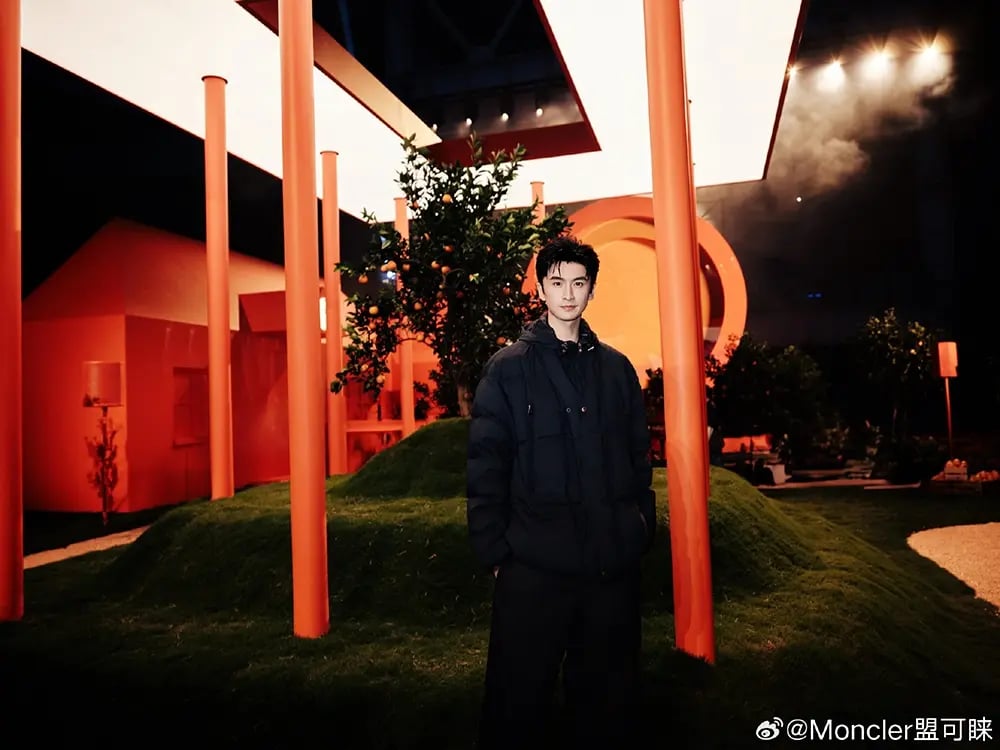
On 19 October, Italian fashion brand Moncler held its Moncler Genius 2024 global show at the closing of Shanghai Fashion Week, themed "The City of Genius."
The show featured designs from 10 international "genius co-creators" across various fields, including art, film and music, displayed in 10 distinct spaces within the 30,000-square-metre former World Expo site.
This was the first time Moncler brought the event to outside of Europe, the event gained significant attention worldwide, demonstrating the power of global creativity to engage Chinese audiences.
Hot Pot Takeaway
The Moncler Genius project is built around offering the brand as a “canvas” for artists and designers to express their creativity. Since 2018, the initiative has welcomed diverse collaborators to reinterpret the brand each year. Instead of selecting designers based on brand alignment, Moncler looks for true artists with unique perspectives, fostering mutual benefit.
This year, Moncler Genius hosted its first event outside Europe, choosing Shanghai, where the government actively encourages international brands to launch events through supportive policies. This highlights Shanghai’s positioning as a global hub for brand activations.
A key takeaway from the event is the importance of differentiating branding and sales activities—branding should focus on storytelling and cultural relevance rather than direct sales. One thing to note though, Moncler faced an unexpected challenge: their official event hashtag on Little Red Book was too long and complex, leading to low adoption despite widespread event buzz. This serves as a reminder that small digital details can impact engagement, even for high-profile brand activations.
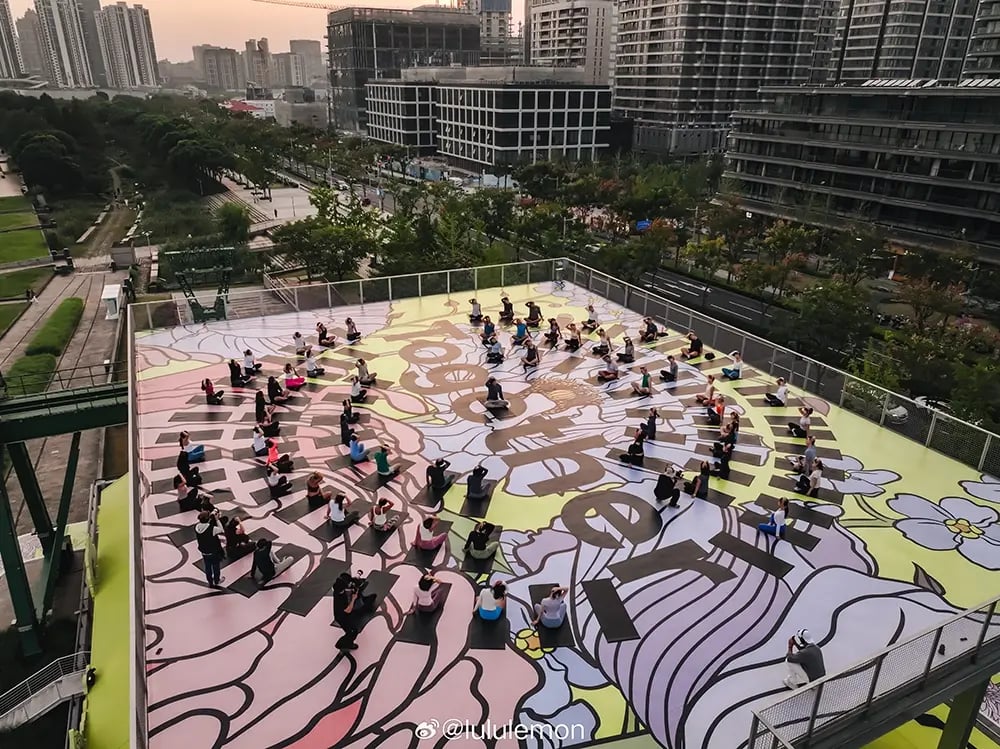
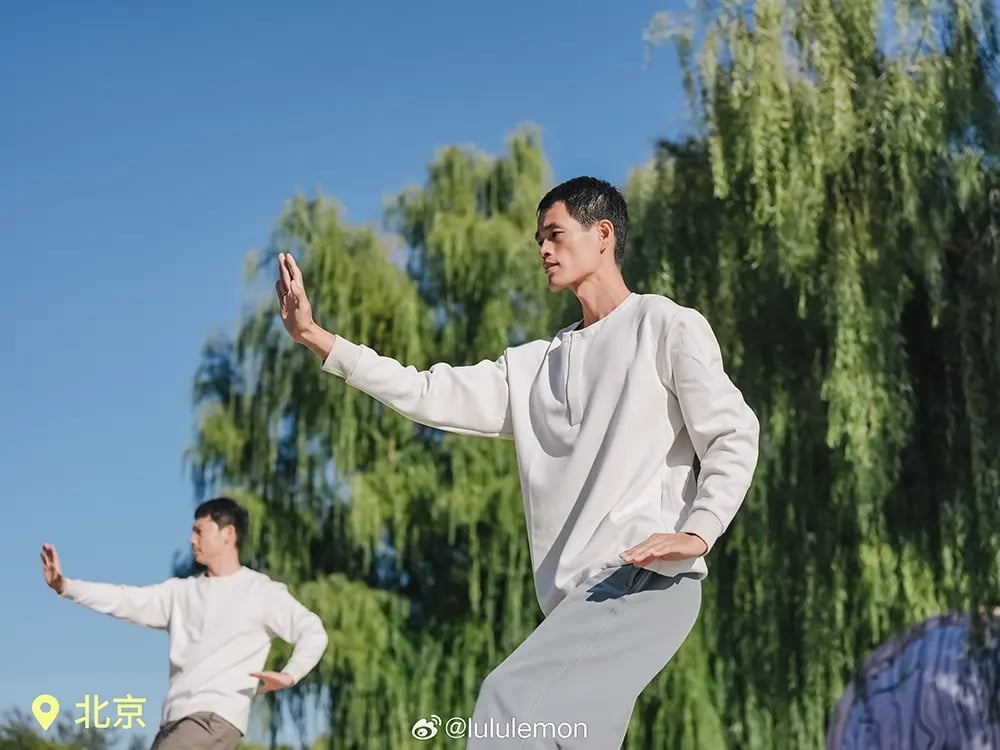
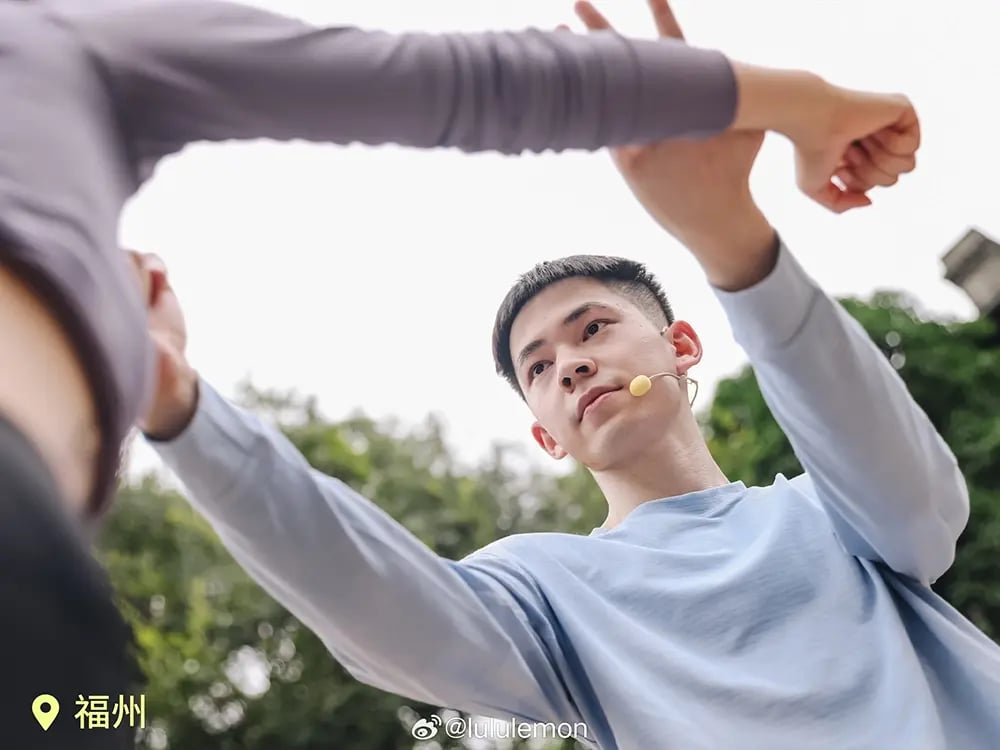
Lululemon’s Month Of Community Events Wins Hearts Across China With Martial Arts And Podcasts
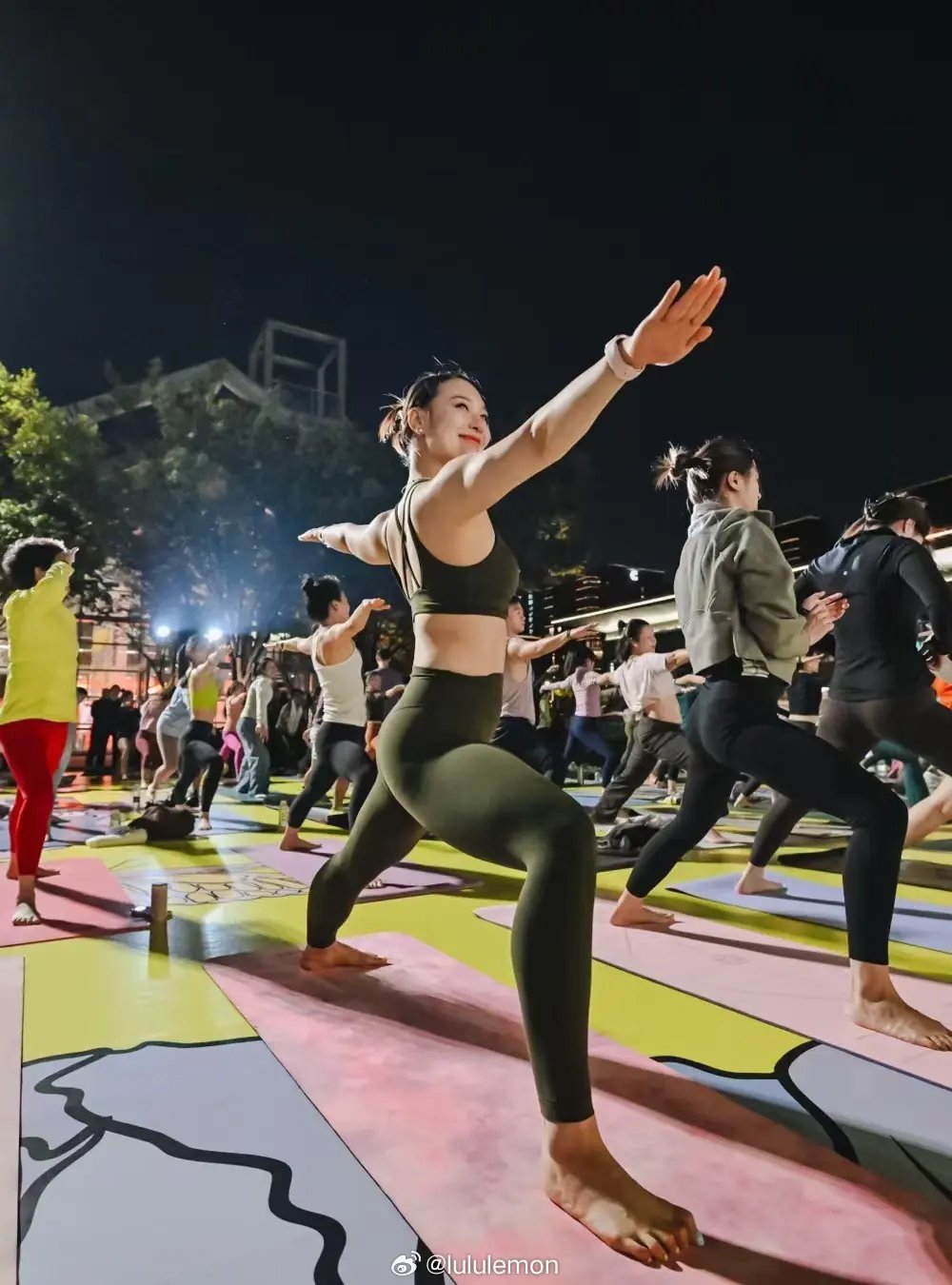
In the single month of October, Lululemon hosted a total of 120 offline events across China, drawing nearly 15,000 attendees.
The activities featured traditional Chinese martial arts such as Wing Chun 咏春, Tai Chi 太极 and Baduanjin Qigong 八段锦, reflecting the brand’s engagement with deeper aspects of Chinese culture.
Lululemon has also expanded its reach online by incorporating podcasts into its marketing strategy.
The brand transformed offline talks with influencers and academics into branded podcasts on the Chinese podcast platform Xiaoyuzhou 小宇宙 and sponsored episodes of four influential podcasts — StochasticVolatility 随机波动, Midnightalks 大内密谈, 展开讲讲 and 宁浪别野 — effectively reaching high-potential customers and strengthening its connection with target audiences.
The event's hashtag garnered nearly 60 million views on Little Red Book, highlighting Lululemon's successful efforts to connect with local communities and expand its presence in China.
Chinese Innovators: Products & Marketing Campaigns
赢
Showcasing the most exciting campaigns from Chinese brands that redefine the market and resonate with local consumers.
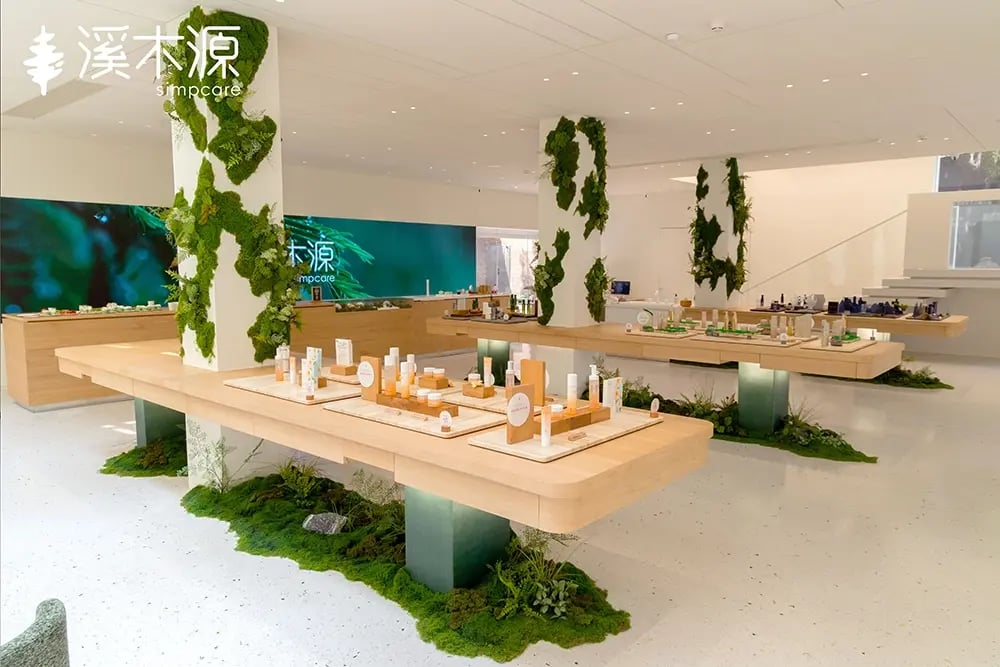
Digital-First Skincare Brand Simpcare Unveils Eco-Chic Flagship
Targeting Asian sensitive skin, Chinese skincare brand Simpcare opened its first flagship store, using eco-conscious and sustainable materials.
The brand, founded in 2019, initially launched on Tmall and has grown rapidly, with its market value now estimated at over $1 billion.
Simpcare's Chinese name, 溪木源, translates to ‘stream, wood and origin,’ evoking imagery of natural sources, the essence of life and a return to one's original self. This aligns seamlessly with the brand's eco-conscious and sustainability-focused identity.
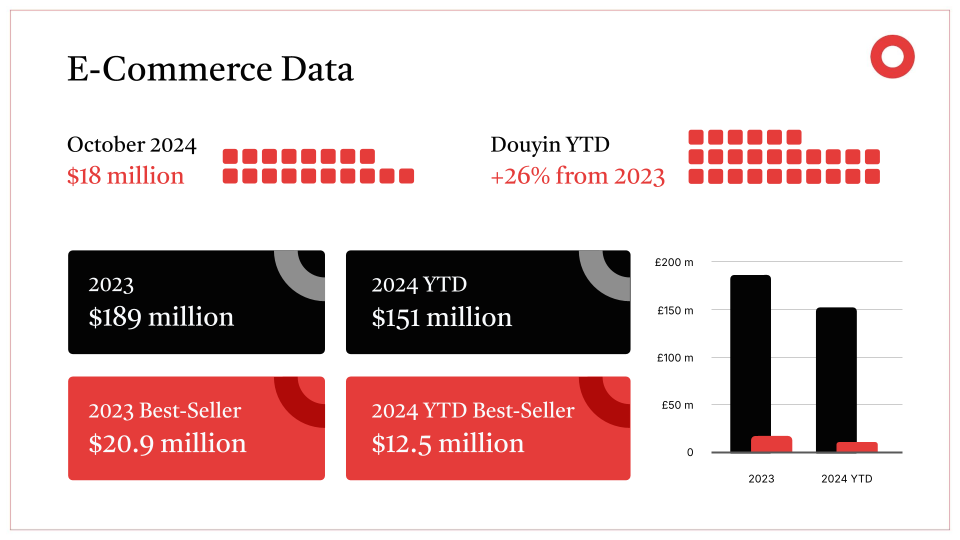
In both 2023 and 2024 to date, Simpcare's bestseller was a foam cleanser for sensitive skin. See more data on Simpcare below.
Hot Pot Takeaway
Chinese beauty brands (C-Beauty) have long been underestimated but are now thriving due to a mix of national pride, strong financial backing, vertically integrated supply chains and a deep understanding of local consumers. Brands like Perfect Diary and Florasis have achieved international success, while newer entrants like Simpcare are making waves with strategic offline expansions.
While digital channels—live streaming and influencer partnerships—offer massive reach, offline stores provide a high-value, immersive brand experience. Simpcare’s Guangzhou store, for instance, reinforces its brand identity of clean living and sustainability through thoughtful store design.
Offline retail shouldn’t be viewed solely as a sales driver measured by revenue per square meter. Instead, it plays a crucial role in branding, consumer engagement and omnichannel strategies. By integrating offline interactions with digital tools, brands can maximise long-term consumer relationships and loyalty in China’s competitive beauty market.
Semir’s Campaign With Comedian Xu Zhisheng Proves Humour’s Power In Brand Marketing
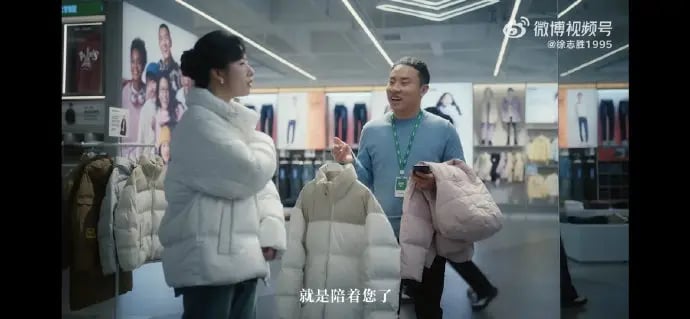
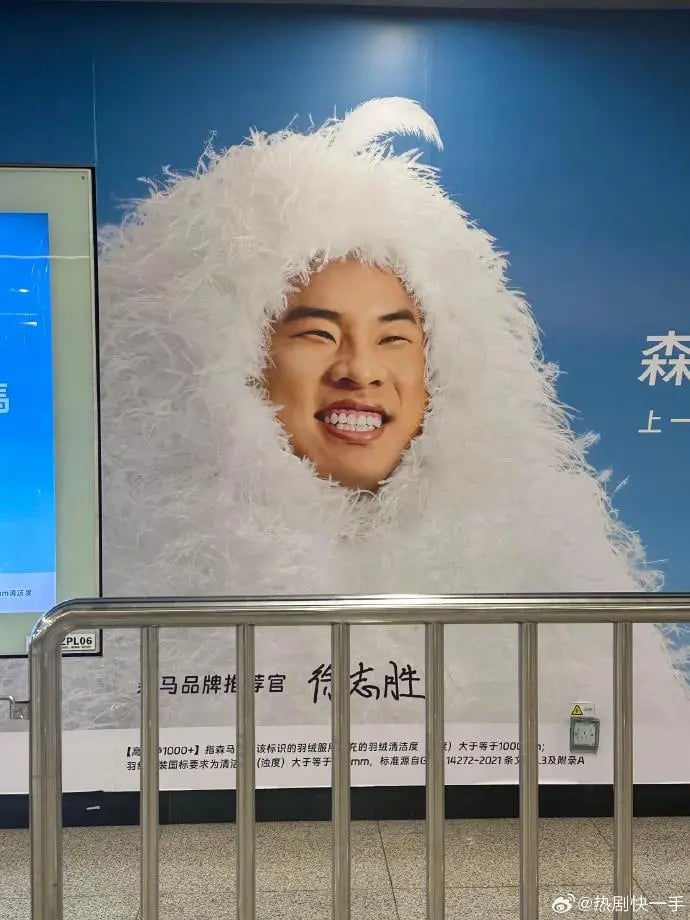
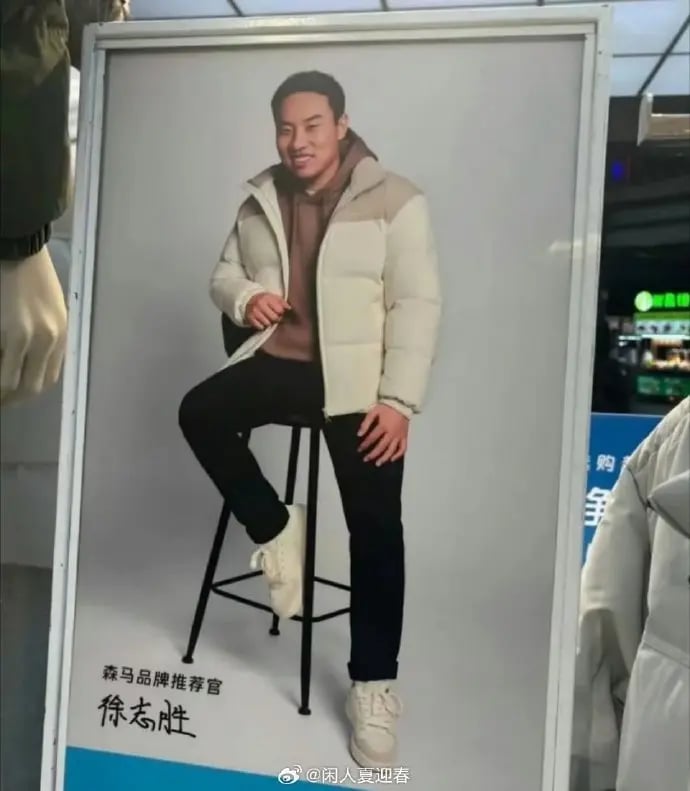
Semir’s ‘Clean Down Jackets’ campaign, featuring comedian Xu Zhisheng 徐志胜, achieved viral success by leveraging his unique personality and style.
In a fashion world that is typically fixated on using “perfect” models fitting an idealised and generalised form of beauty and physique, Semir has bucked the trend by making humour central to its brand campaign.
The campaign generated over 1,000 posts on Little Red Book within just a few days of its launch, engaging audiences across both online and offline channels.
By using humour and an accessible price point, Semir 森马 has stood out with relatively low-cost investment versus using the well-worn red carpet movie start route. Although Xu is an atypical choice, his down-to-earth style creates a relatable connection with consumers, making them more likely to feel a genuine affinity for the brand thanks to his human appeal and resonance.
Ecommerce Insights: Platform Strategies & Success
购
Deep dive into ecommerce performance, interpreting platform strategies and highlighting winning brands and products.
October Best Performing Ecommerce Month This Year-To-Date
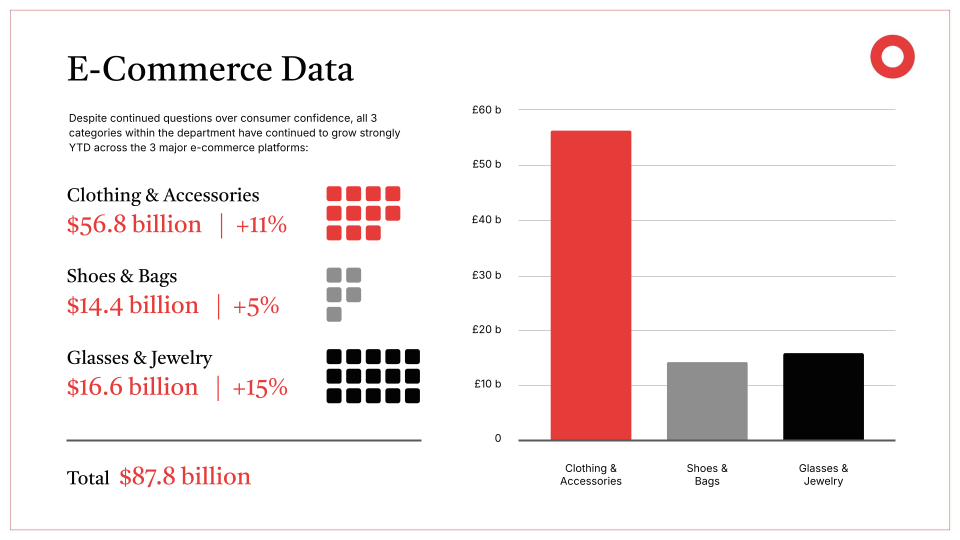
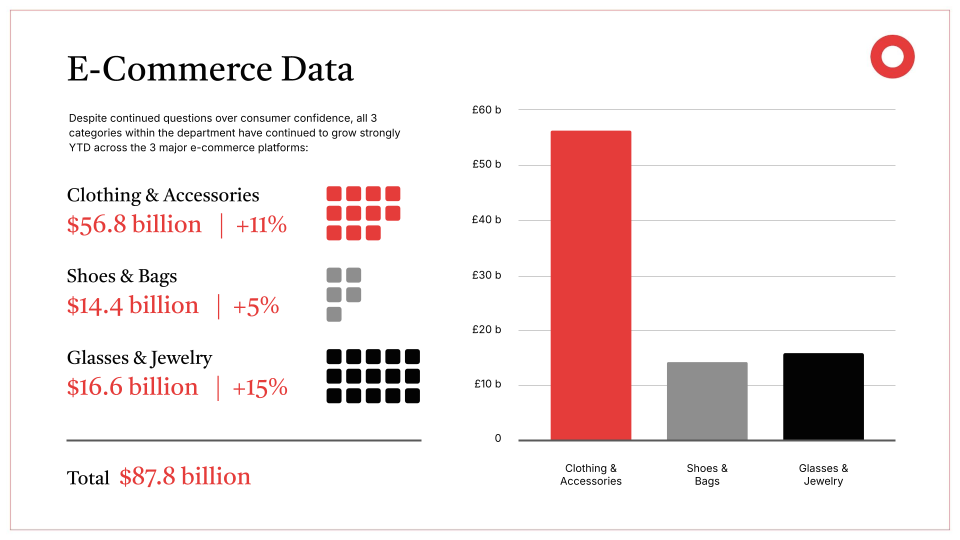
October proved to be the biggest month of the year so far with $12.3 billion in net sales, representing 14% of YTD sales, suggesting that double 11 continues to play a key role in the annual sales curve.
Despite continued questions over consumer confidence, all 3 categories within the department have continued to grow strongly YTD across the 3 major ecommerce platforms:
Such growth highlights the robustness of these core categories and that consumers have continued to spend, albeit the exact profile of their spending may have shifted as they become more discerning
The best-selling product within the department in October was women’s dresses with local brand Lancy from 25 selling the most of this item - $1.75m
October YTD, 75% of net sales within clothing and accessories were on products sold for less than $56, suggesting that the majority of consumers, whilst continuing to spend are doing so on more affordable items.China Entertainment
娱
A look at pop culture, music, film & TV, celebrity and arts in China.
Reality Show See You Again Cashes In on the Divorce Economy
A reality show from Mango TV, See You Again 再见爱人 follows celebrity or influencer couples facing relationship challenges.
The search volume of the show reached 90 million on 25 October and there have been over 20,100 posts about the show’s latest season 4 on Little Red Book in the past month.
A smoked chicken brand that had one of its products purchased by a guest on the show saw its sales increase 100 times as a result of the exposure.
It may surprise some to see celebrities with a groomed image to be open about their personal relationships on a very public forum however, it’s also a way to drive visibility and prominence in the minds of audiences.
Dubbed the “divorce economy 离婚经济,” divorced celebrities or even their wider families are often seen on livestreams receiving high views and conversion rates to products they are promoting.
Hot Pot Takeaway
Brands often debate whether to partner with major celebrities in China. While a high-profile ambassador offers instant reach and strong associations, scandals can turn these partnerships into costly mistakes.
A shift is emerging, exemplified by See You Again where traditionally private celebrities are now openly sharing personal struggles. While some may view this as a publicity strategy, the authenticity resonates deeply with audiences, making the series highly popular.
For brands, this marks an opportunity: partnering with celebrities who embrace transparency and emotional storytelling can foster deeper consumer trust. As Chinese consumers increasingly value authenticity over glossy, airbrushed branding, aligning with genuine and relatable figures can drive stronger, more meaningful connections.
Young Chinese Defy Restrictions with Creative Halloween Costumes, Satirising Daily Life and the Online World
Although lacking any official statements, online posts suggest Halloween activities were banned in several popular neighbourhoods in Shanghai.
However, Shanghai’s amusement parks and other cities like Hangzhou have seen incredibly creative Halloween costumes.
Many outfits appear to poke fun at daily life and the digital world in modern China, including MBTI personality types, Huawei tri-fold phones and Huang Lei, a celebrity who recently faced backlash as his chef persona was tarnished when netizens unearthed past reality TV clips showing guests falling ill after eating his long bean dish.
Chinese youth are taking Halloween costumes to another level.
Video Opinion: Industry Voices
声
Featuring an interview series—either from the Hot Pot China team, network, client representatives, partners or consumers.
China's Fitness Culture Is Thriving, Driven By Government Initiatives To Promote Healthier Lifestyles And A Post-Covid Focus On Wellness
Sports and outdoor brands like On, Hoka and Brooks have experienced significant growth, reflecting this shift.
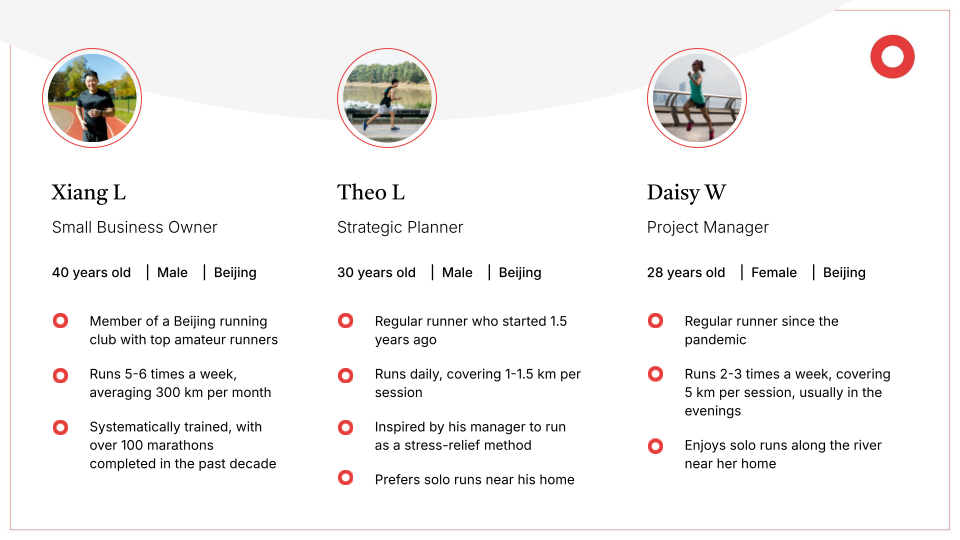
For this month's Industry Voices, we spoke with three runners from diverse backgrounds and running habits, offering firsthand insights into the evolving fitness mindset of Chinese consumers.
Three runners shared their running experiences and preferences.
Hot Pot Team Takeaway
In an effort to tackle the negative effects of an ageing population, growing obesity and the pressure this puts on the country’s care systems in the future, the Chinese government has a stated goal of growing the domestic sports industry to $686 billion by the end of 2025.
The downstream effect of a range of policies, as well as consumers’ own drive to get fit in the aftermath of three years of Covid lockdowns, has driven a huge boom in a range of sports, with running a clear leader for its ease of entry and simplicity.
Our interviews with a range of Chinese runners show three very distinct profiles of runners but a cohesive sense of motivation for running. From our elite ultramarathon runner to a “couch to 5k” enthusiast, all share the following reasons for a commitment to running:
- A visible symbol of a healthy and disciplined lifestyle
- An ability to exert control over an aspect of urban daily life which has increasingly become overrun by work and personal pressures
- “Life hacking” - the ability to both workout and socialise at the same time
Why does this matter for ALL brands?
For all groups of runners, the sense of self-improvement is clear. While once this personal advancement may have been driven by visible displays of affluence through logo brand purchases, increasingly the ability to be fit, thrive and deliver a personal best are the new markers of success.
The angle here for sports or athleisure brands is clear, however, all brands from fashion to skincare, to travel and hospitality need to understand this fundamental drive and find ways to connect with it. How does your brand either enable or stand as a symbol of personal advancement? Potentially the visible affluence angle still has an audience in tier 3 and 4 cities, but today’s urban elites are moving beyond this and becoming advocates for brands that support health, growth and education, which stand for more than a price tag alone.
Unlock the power of insider knowledge
China Playbook isn't just another newsletter; it's your strategic advantage to stay ahead in the Chinese market. Each month, you’ll receive highly curated insights and exclusive data right to your inbox, equipping you with the knowledge to navigate the complexities of the Chinese premium lifestyle market.
from £350/month
Login or Subscribe to continue reading
Subscribe to the China Playbook for a monthly dose of fact-driven information from China, broken down and explained by thought leaders here at Hot Pot China. As a member, you’ll unlock unlimited access to data, actionable insights and strategic takeaways you won’t find anywhere else.